

Insights into ASX Stocks
Minbos Resources (ASX: MNB) Explodes Higher as Funding Breakthrough Sparks Massive Share Price Surge
Minbos Resources surged after securing US$21.5 m+ in debt funding for its Cabinda Phosphate Project in Angola, boosting investor confidence in its move toward production. The market now eyes construction progress, though execution, funding, and ramp-up risks remain significant.
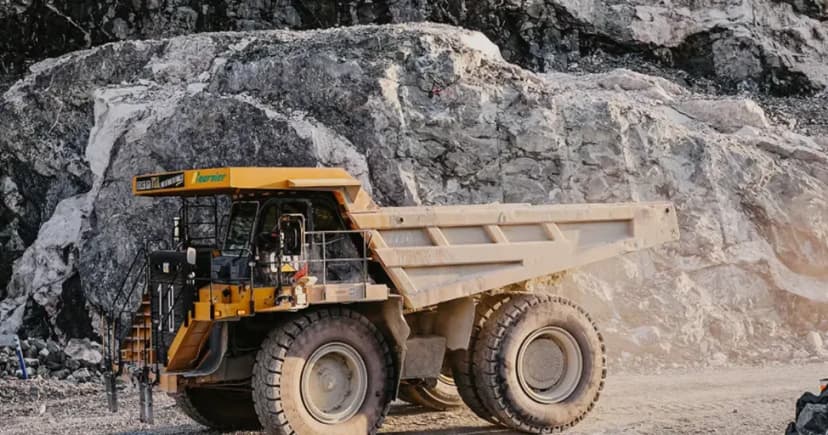
Is Elevra Lithium (ASX: ELV) Ready to Break Through Key Resistance?
Elevra Lithium (ASX: ELV) is a dual-listed North American-focused producer with growth assets, led by its Québec NAL operation. Recent share moves reflect capital raising, record production, index inclusion, improving lithium sentiment, while technicals show an uptrend nearing key resistance.

Imugene (ASX: IMU) Roars Back to Life as Explosive Share Price Rebound Sparks Fresh Speculative Buzz
Imugene (ASX: IMU) surged over 35% after early Azer-cel trial results showed strong response rates in blood cancer patients, reigniting biotech speculation. Despite the rally, the stock remains highly volatile and pre-revenue, with future moves dependent on clinical progress, funding needs, and upcoming ASCO updates.
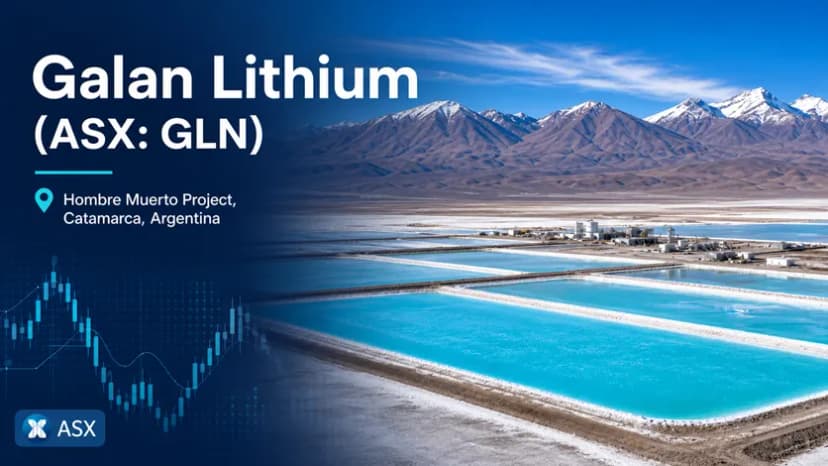
Has Galan Lithium (ASX: GLN) Built a Durable Base for Its Next Leg Higher?
Galan Lithium (ASX: GLN) is an Australian developer focused on high-grade lithium brine projects in Argentina, led by Hombre Muerto West. It is advancing toward production, supported by strong lithium prices, funding, and expansion, though dilution and execution risks remain.

ClearVue Technologies (ASX: CPV): Base-Building at Key Support, Is a Trend Reversal Finally Ahead?
ClearVue Technologies develops solar glass for energy-generating buildings. A recent Cyprus contract, improved losses, and reduced dilution sparked a bounce from key support, but the broader trend remains bearish, with confirmation of reversal dependent on stronger volume and sustained commercial traction.
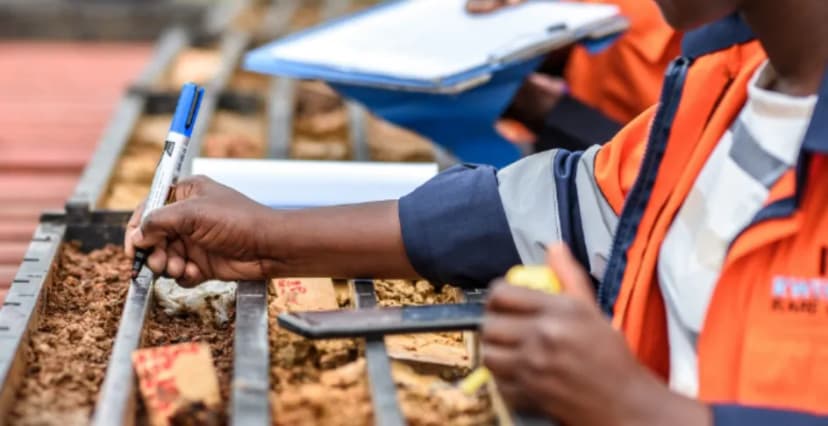
Is Ionic Rare Earths (ASX: IXR) Building a New Medium Term Bullish Trend?
Ionic Rare Earths is an Australia-based company developing a vertically integrated rare earth supply chain across mining, refining, and recycling, anchored by its Makuutu project in Uganda and UK processing operations, targeting clean energy, manufacturing, and defence markets.